Biofeedback for stress reduction works by making the invisible visible. It uses real-time monitoring to show you exactly what’s happening inside your body when stress hits, your heart rate, muscle tension, breathing patterns, skin temperature, then teaches you how to change those responses. It’s not about positive thinking or willpower. It’s about training your nervous system to regulate itself more effectively.
What is biofeedback and how does it work?
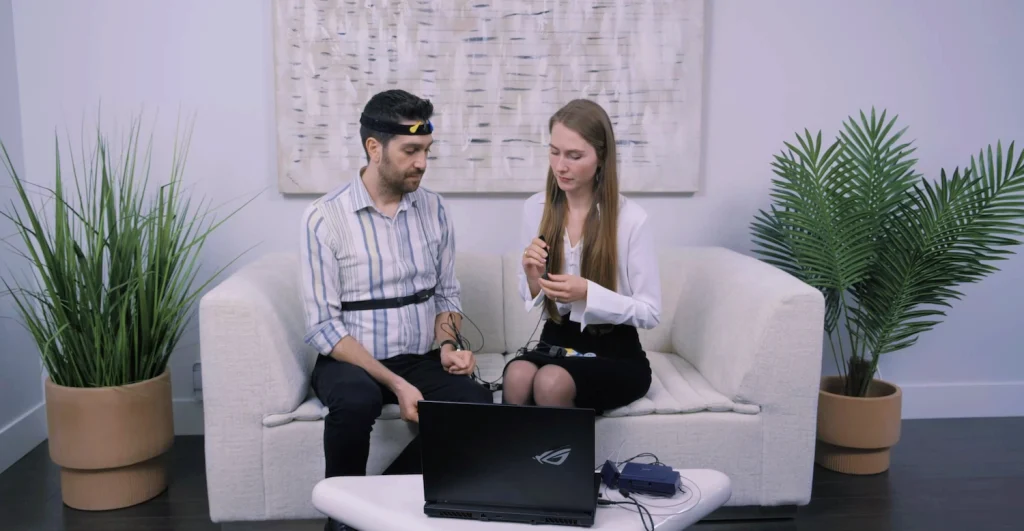
Biofeedback is a therapeutic technique that measures physiological processes in real time and translates them into visual or auditory feedback you can see and hear. During a session, sensors are placed on your skin to track things like heart rate variability, muscle activity, breathing rate, skin conductance, and temperature. This information appears on a screen, giving you immediate insight into how your body responds to stress.
The breakthrough happens when you realize you have more control than you thought. When you see your heart rate spike during a stressful thought, then watch it slow as you shift your breathing, something clicks. Your brain starts learning the connection between what you do mentally and how your body responds physically. Over time, these become automatic skills you can use anywhere, in traffic, before a presentation, during conflict.
Think of it like learning to ride a bike. At first, you need training wheels and constant feedback about your balance. Eventually, your body knows what to do without thinking about it. Biofeedback provides that initial feedback loop, then helps your nervous system internalize healthier patterns.
Why stress affects you the way it does
Stress isn’t just a feeling, it’s a full-body physiological response controlled by your autonomic nervous system. When your brain perceives a threat (whether it’s a deadline, a difficult conversation, or financial pressure), your sympathetic nervous system activates. Your heart rate increases, breathing becomes shallow, muscles tense, digestion slows, and stress hormones flood your system.
This response evolved to help us escape physical danger. The problem is that your body can’t distinguish between a charging bear and an overflowing inbox. It responds the same way. And when stress becomes chronic, when your nervous system stays activated day after day, it takes a serious toll on your health, mood, sleep, relationships, and cognitive function.
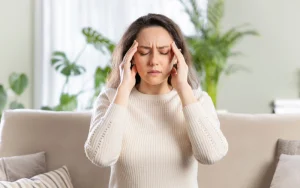
Many people with chronic stress develop a hypersensitive stress response. Their nervous system overreacts to minor triggers because it’s stuck in a pattern of hypervigilance. You might notice you startle easily, feel constantly on edge, struggle to relax even when you have downtime, or experience physical symptoms like headaches, digestive issues, or chronic muscle tension.
What makes this particularly frustrating is that traditional stress management advice often doesn’t work well for people with dysregulated nervous systems. Being told to “just relax” or “don’t stress about it” isn’t helpful when your autonomic nervous system is running the show below conscious awareness.

The specific benefits of biofeedback for stress
Research consistently shows that biofeedback creates measurable changes in how your nervous system functions. Here’s what the evidence tells us about its benefits:
Improved heart rate variability (HRV): HRV measures the variation in time between heartbeats and is one of the best indicators of nervous system flexibility. Higher HRV means your system can shift smoothly between activation and recovery. Biofeedback training specifically targets HRV, teaching you breathing and focus techniques that increase vagal tone, the activity of the vagus nerve that governs your relaxation response.
Reduced physical symptoms: Because biofeedback works directly with the physiological stress response, it’s particularly effective for stress-related physical symptoms. Studies show significant improvements in tension headaches, muscle pain, digestive issues, high blood pressure, and chronic pain conditions. When your nervous system calms, these downstream symptoms often resolve.
Better emotional regulation: There’s a bidirectional relationship between your body and emotions. When you learn to shift your physiological state, slowing your breathing, relaxing muscle tension, warming your hands, your emotional state follows. Biofeedback helps you discover this connection experientially, giving you practical tools for managing anxiety, irritability, and emotional overwhelm.
Enhanced self-awareness: Many people are disconnected from their body’s stress signals. They don’t notice tension building until they’re completely overwhelmed or physically ill. Biofeedback training sharpens your ability to detect early stress signals, which means you can intervene before reaching crisis point.
Medication-free approach: Biofeedback is entirely non-invasive and doesn’t involve medication. This makes it an excellent option for people who can’t tolerate medications, want to avoid side effects, or prefer to address stress through skill-building rather than pharmaceutical intervention.
Lasting results: Unlike approaches that only work while you’re actively using them, biofeedback teaches skills that become second nature. Research shows that improvements persist long after training ends because you’ve literally rewired your nervous system’s stress response patterns.
What you can do: practical stress reduction strategies
While biofeedback provides structured training, there are things you can start doing now to support nervous system regulation:
- Practice paced breathing: Breathe in for 5 counts, out for 5 counts, aiming for about 6 breaths per minute. This activates your parasympathetic nervous system and is one of the most powerful self-regulation tools you have.
- Do a body scan: Several times a day, pause and notice where you’re holding tension. Are your shoulders up by your ears? Is your jaw clenched? Simply becoming aware creates an opportunity to release.
- Build recovery time into your day: Your nervous system needs transition time between demanding activities. Even 2-3 minutes of sitting quietly, looking out a window, or doing gentle stretching helps prevent stress accumulation.
- Track your stress patterns: Notice what situations, times of day, or thoughts consistently trigger your stress response. Patterns you can see are patterns you can change.
- Prioritize sleep consistency: Your nervous system does most of its regulation and recovery during sleep. Going to bed and waking at consistent times supports this process.
- Limit caffeine and alcohol: Both interfere with nervous system regulation. Caffeine activates your stress response; alcohol disrupts sleep architecture and emotional processing.

How brain-based therapy can help
At Elumind, biofeedback for stress reduction is one of our core therapeutic approaches. We use advanced biofeedback technology to help you understand and change your body’s stress patterns in real time.
During biofeedback sessions, we monitor multiple physiological indicators simultaneously, heart rate variability, breathing patterns, muscle tension, skin conductance, and temperature. You see this information displayed on a screen and work with your therapist to learn specific techniques for shifting your physiological state. As you practice, you receive immediate feedback showing you what works, which accelerates learning.
Many clients combine biofeedback with neurofeedback, which trains brain wave patterns associated with calm, focused attention. This combination addresses stress at both the brain and body level, creating comprehensive nervous system regulation. For stress-related anxiety, we often integrate heart rate variability training, which has particularly strong research support for both stress reduction and anxiety management.
Our approach is personalized. We begin with a comprehensive assessment to understand your specific stress patterns, triggers, and symptoms. Some people primarily experience physical stress symptoms; others struggle more with racing thoughts or emotional reactivity. Your biofeedback protocol is designed around your unique presentation.
Sessions are relaxing and empowering. You’re not passively receiving treatment, you’re actively learning skills you can use independently. Most clients notice improvements within 4-6 sessions, with continued gains as training progresses. The goal is always self-sufficiency: we want you to have tools that work long after you stop coming to appointments.
Learn more about our biofeedback therapy or explore how neurofeedback can complement biofeedback training for comprehensive stress management.
When to seek professional support
If stress is significantly impacting your daily functioning, relationships, work performance, or physical health, professional assessment can help. Some signs that biofeedback training might be beneficial include:
- Physical symptoms like headaches, muscle pain, digestive issues, or high blood pressure related to stress
- Difficulty relaxing even when you have time off
- Sleep problems related to racing thoughts or feeling wired
- Anxiety that feels more physical than mental
- Noticing your stress tolerance has decreased over time
- Self-help strategies that used to work aren’t effective anymore
Elumind offers complimentary 15-minute free phone consultation to discuss whether biofeedback is right for you. During this conversation, you can ask questions about the approach, what to expect, and how it might address your specific concerns. There’s no obligation, just an opportunity to learn more and make an informed decision.
Book your free consultation at elumind.com/booking or call us at (604) 220-8866. We have locations across British Columbia serving Vancouver, North Vancouver, Surrey, and Kelowna.
You don’t have to manage chronic stress alone. Your nervous system can learn new patterns, biofeedback gives it the training and feedback it needs to make that happen.




 Phone: (604) 220-8866 |
  Monday—Friday: 9:00 AM-7:30 PM