
Every year, as the calendar flips to January, millions declare, “New Year, New Me” Gyms flood, journals are purchased, apps are downloaded, and motivation peaks. Yet, by February, most resolutions dissolve into guilt and unmet expectations. Why? Because change built on pressure, perfectionism, or external validation is destined to crumble.
This blog explores how to reclaim “New Year, New Me” in a way that prioritizes your mental health, aligns with your identity, and builds habits that last. We’ll dive into the psychology of change, goal-setting strategies, the impact of brain-based therapies, and real-world tips to reset your mindset for a sustainable, fulfilling year ahead.
Why Most New Year’s Resolutions Fail
Before we talk solutions, let’s understand the problem. Most resolutions fail because:
- They’re vague (e.g., “Be healthier” instead of “Walk 20 minutes every morning”);
- They rely on willpower, not systems;
- They’re based on shame or comparison;
- They’re too drastic or unrealistic;
- They ignore mental health foundations.
You can’t build a better life on top of burnout, anxiety, or low self-worth. The real “New Me” starts with healing, not hustle.

Step 1: Reflect Before You Reset.
Transformation starts with insight. Spend time asking:
- What patterns do I want to break?
- What brought me joy last year?
- Where did I feel stuck or drained?
- What did I avoid facing?
- What relationships lifted me up or pulled me down?
Journaling, therapy, or even brain mapping (like QEEG Brain Map at Elumind) can reveal insights beyond surface-level thinking.
“Without reflection, we go blindly on our way, creating more unintended consequences, and failing to achieve anything useful.” Margaret Wheatley
Step 2: Understand the Mind-Body Connection.
Sustainable change is biological as much as it is behavioral. Mental and physical health are deeply intertwined:
- Sleep impacts decision-making, emotional regulation, and memory.
- Nutrition affects mood, focus, and energy.
- Movement boosts endorphins and clears mental fog.
- Chronic stress shrinks the brain’s memory center and weakens immunity.
Before trying to become a “new you,” support the real you. This means calming your nervous system, healing the gut-brain axis, and getting your brain into a regulated state. At Elumind, we use tools like Neurofeedback, Biofeedback, and Photobiomodulation to help the brain self-regulate and build resilience.
Step 3: Redefine the “New Me”
Most people pursue a version of themselves based on societal or peer expectations. A healthier approach is to define the “New Me” based on values, not vanity:
- Instead of: I want to lose 20 lbs. Try: I want to feel stronger and more energized!
- Instead of: I want to make more money. Try: I want to contribute meaningfully and feel secure!
- Instead of: I want to be less anxious. Try: I want to live with more inner peace and presence!
Identity-based goals lead to more enduring behavior changes than appearance or achievement-based ones.
Step 4: Use Brain-Based Strategies for Change
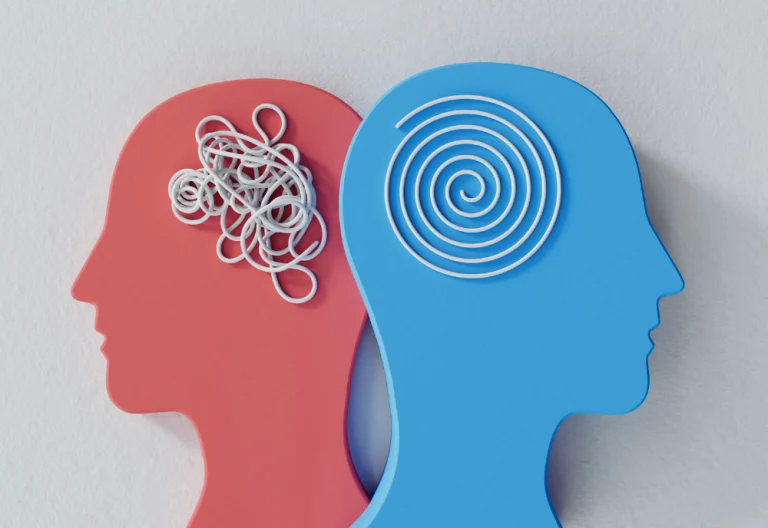
You don’t need more pressure, you need a regulated nervous system, optimized cognition, and emotional balance. Here are science-backed modalities we use at Elumind to support mental wellness:
Therapeutic Assessments – Our clients start with a deep dive into their life story, biology, and goals. This helps us create a personalized treatment plan that fits their unique needs.
QEEG Brain Map – This diagnostic tool shows how different areas of your brain are functioning. It helps pinpoint imbalances behind anxiety, depression, ADHD, trauma, or sleep issues.
Neurofeedback – Trains your brain how to self-regulate. Improves focus, sleep, mood, and resilience. Especially helpful for ADHD, trauma, and anxiety.
Biofeedback – Helps you control your physiological stress response by monitoring heart rate, breathing, muscle tension, and skin conductivity. Ideal for anxiety, panic attacks, and chronic stress.
Photobiomodulation (PBM) – Uses low-level light therapy to improve cellular function, reduce inflammation, and support mood and cognitive performance.
Step 5: Set Mental Health Goals (Not Just Productivity Goals)
Forget “grind goals.” These are some of the most transformative goals you can set:
- Learn how to set healthy boundaries;
- Get therapy to process trauma or grief;
- Improve sleep quality through a nightly routine;
- Rebuild a fractured relationship;
- Start non-invasive treatment sessions as Neurofeedback or Biofeedback to treat anxiety;
- Disconnect from social media one day a week.
Mental health goals create the foundation for all other goals to succeed.
Step 6: Create Systems, Not Just Intentions
Intentions are important, but systems create change. For example:
- Goal: Meditate daily
- System: Set phone alarm at 9pm, prepare mat, and use mindfulness app
- Goal: Reduce anxiety
- System: Weekly therapy, 10-minute breathing practice every morning, no caffeine after 3pm
Systems are about habits, environment, and accountability.
Step 7: Reframe Failure as Feedback
You’re going to miss a workout, eat cake, and have anxious days. That doesn’t mean you failed. It means you’re human.
Reframe failure as:
- A data point
- An opportunity to adjust
- Proof that you’re trying
Remember: Perfection is the enemy of consistency.

Step 8: Surround Yourself with the Right People!
Growth requires a supportive ecosystem:
- Talk to friends who want to grow, not gossip;
- Share your goals with an accountability partner;
- Avoid those who shame your healing or path;
- Consider joining a therapy group or wellness community.
Your environment often determines your direction.
Step 9: Practice Self-Compassion Relentlessly!
This is your most powerful tool. Self-compassion is not weakness. It is a radical act of rebellion against a culture of hustle and shame.
- Speak to yourself like you would a child or best friend
- Acknowledge progress, even when slow
- Forgive yourself without conditions
- Rest without guilt
“You can search the whole universe and not find a being more worthy of love than yourself.” Buddha
Bonus: Try These 10 “New Year, New Me” Ideas for Mental Wellness.
- Start a morning ritual (stretching, journaling, 5-minute meditation).
- Delete one toxic app from your phone.
- Schedule a QEEG brain map session to get clarity.
- Join a therapy group or class (art therapy, mindfulness, etc.).
- Create a joy list and do 1 item each week.
- Set a sleep schedule and stick to it 5 days a week.
- Volunteer once a month to boost connection and purpose.
- Invest in your brain health (Neurofeedback, PBM, etc.).
- Write yourself a letter from your future self.
- Buy a gift card for someone who needs support (a powerful way to show love).
Conclusion: You Don’t Need to Become Someone New, You Need to Come Home to Yourself!
“New Year, New Me” isn’t about turning into someone different. It’s about removing the layers of fear, guilt, and noise so the real you can emerge.
Don’t let social media trick you into setting goals that betray your needs. Don’t make change about punishment. Instead, make it about remembering your worth, healing your nervous system, and reclaiming your peace.
At Elumind, we believe that growth should feel like alignment, not exhaustion. Through cutting-edge neuroscience and compassionate care, we help people build the inner strength to sustain meaningful transformation.
You don’t need a new you. You need the tools to support the real you. And that starts now.
Happy New Year. Here’s to healing, hope, and becoming whole.





 Phone: (604) 220-8866 |
  Monday—Friday: 9:00 AM-7:30 PM