
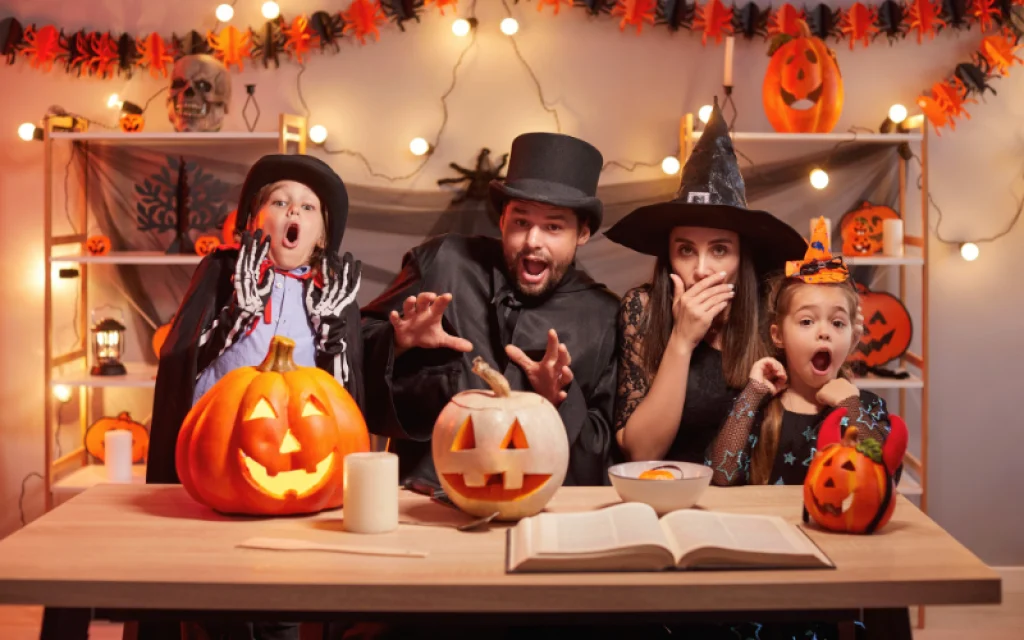
Halloween is a season of creativity, excitement, and imagination. Streets fill with decorations, children prepare their costumes, and families look forward to trick-or-treating, pumpkin carving, and festive gatherings. For many people, Halloween is an opportunity to escape everyday routines, connect with others, and enjoy a little harmless fear.
However, Halloween can also affect mental health in ways we do not always recognize. While some people enjoy haunted houses, scary movies, and frightening costumes, others experience increased anxiety, emotional discomfort, or stress during this time of year.
The connection between Halloween and mental health is more complex than simply enjoying or disliking scary experiences. Fear, social expectations, sensory stimulation, childhood experiences, and seasonal changes can all influence how individuals respond to the holiday.
Understanding these connections can help families, children, and adults celebrate Halloween in ways that support emotional well-being rather than create unnecessary stress.
Why Do We Enjoy Being Scared?
Fear is one of the body’s most powerful emotional responses. When we encounter something frightening, the brain activates systems involved in detecting potential threats, preparing the body to react.
The amygdala, a brain region involved in processing emotionally significant information, plays an important role in this response. The body may release stress hormones, including adrenaline, causing the heart to beat faster, breathing to accelerate, and attention to become more focused.
Normally, these reactions help protect us from danger. During Halloween, however, people often experience fear in environments they know are relatively safe. Watching a horror movie, visiting a haunted attraction, or hearing a ghost story can create excitement because the brain responds to frightening situations while we remain aware that the danger is fictional or controlled.
For some individuals, this combination of fear and safety produces an enjoyable emotional experience. It can create excitement, laughter, and a sense of accomplishment after the frightening moment passes.
Interestingly, choosing to experience manageable fear may also help some people become more comfortable with temporary discomfort. However, this does not mean that frightening experiences are therapeutic for everyone. Individual responses vary significantly, and exposure to fear should never be forced.
When Halloween Triggers Anxiety Instead of Excitement
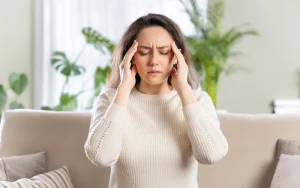
Not everyone enjoys being frightened. For individuals experiencing anxiety, panic attacks, trauma-related symptoms, or heightened sensitivity to stimulation, Halloween activities can become overwhelming.
Unexpected noises, flashing lights, frightening masks, crowded environments, and sudden surprises can activate the body’s stress response. Even when someone understands that the situation is not dangerous, their physical reaction may still feel intense.
For example, a person who experiences panic attacks may become uncomfortable when a haunted attraction causes their heart to race. Because rapid heartbeat is also a common symptom of panic, the physical sensation itself may increase their anxiety.
People with trauma-related difficulties may find that certain costumes, sounds, or frightening scenes remind them of distressing experiences. Others may simply dislike situations where they cannot predict what will happen next.
These reactions do not mean someone lacks courage or a sense of humour. They reflect differences in emotional experiences, personal histories, and nervous system sensitivity. The healthiest approach is to recognize personal boundaries. Halloween should be an opportunity for enjoyment, not a test of how much fear someone can tolerate.
Halloween and Children’s Emotional Development
For children, Halloween can be both exciting and confusing. Their developing understanding of reality and imagination influences how they interpret frightening experiences. Younger children may struggle to distinguish between a costume and the person wearing it. A frightening mask that seems entertaining to an adult may appear genuinely threatening to a young child.
Children also respond differently depending on their temperament, developmental stage, and previous experiences. Some eagerly approach spooky decorations, while others become frightened by relatively mild images.
Parents can support their children’s emotional well-being by preparing them for what to expect. Explaining that costumes are pretend, allowing children to see familiar adults putting on masks, and choosing age-appropriate activities can reduce uncertainty.
It is equally important to respect children’s reactions. If a child becomes frightened, forcing them to continue through a haunted house or interact with a scary character may increase their distress.
Instead, parents can acknowledge their feelings and offer reassurance. A simple statement such as, “That looked scary, but we’re safe, and we can leave whenever you want,” helps children feel understood and supported. Over time, positive experiences with manageable challenges can help children develop confidence and emotional resilience.
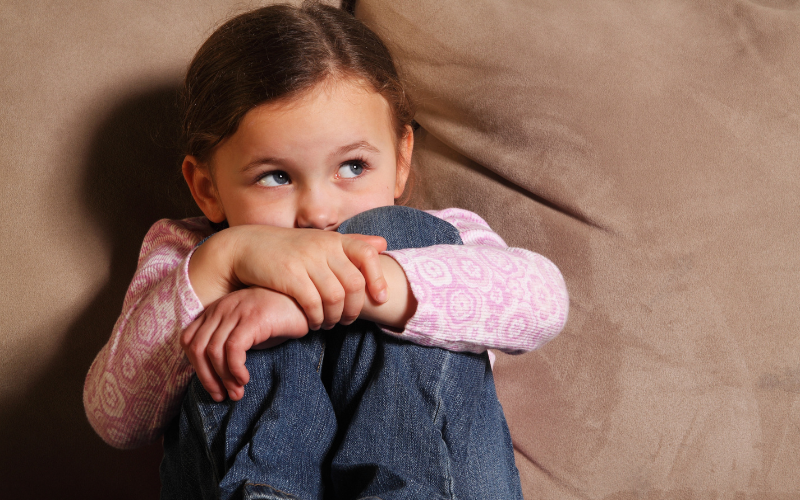
The Hidden Stress of Halloween Expectations
Halloween is often presented as a carefree celebration, but it can also create pressure for families and adults. Parents may feel responsible for organizing costumes, purchasing decorations, preparing treats, attending school activities, and ensuring their children have a memorable experience.
For families managing financial difficulties, these expectations can become stressful. Elaborate costumes, decorations, and events may create pressure to spend more than is comfortable.
Adults may experience a different kind of stress. Halloween parties and social gatherings can create anxiety for people who feel uncomfortable in crowds, struggle with social confidence, or worry about fitting in.
Social media can intensify these feelings. Seeing carefully planned costumes, extravagant decorations, and seemingly perfect celebrations may encourage comparisons and unrealistic expectations. It is worth remembering that Halloween does not need to be expensive or elaborate to be meaningful.
A homemade costume, a family movie night, or pumpkin carving at home can create lasting memories without unnecessary financial or emotional pressure. The value of a celebration comes from enjoyment and connection, not from how impressive it appears online.
Halloween, Social Connection, and Mental Well-Being
Despite its potential challenges, Halloween can offer meaningful mental health benefits, particularly through social interaction and shared experiences. Community events, neighbourhood trick-or-treating, costume parties, and family traditions create opportunities for people to connect.
Social relationships play an important role in emotional well-being. Spending time with supportive friends and family can reduce feelings of loneliness and strengthen a sense of belonging. Halloween also encourages creativity and playfulness, which are sometimes overlooked in adult life.
Designing costumes, decorating pumpkins, telling stories, or participating in imaginative activities allows people to express themselves outside their usual responsibilities. For children, these experiences can support creativity, cooperation, and social development. For adults, they may provide a welcome break from work-related stress and everyday routines.
Even individuals who prefer quieter activities can participate in ways that feel comfortable. Hosting a small gathering, decorating the home, or enjoying a seasonal activity with a close friend can provide connection without the pressure of large social events.
Sensory Sensitivities and Inclusive Halloween Celebrations
Halloween environments can be particularly challenging for individuals with sensory sensitivities, including some people with autism or sensory processing differences. Flashing lights, loud music, crowded spaces, unfamiliar costumes, and unpredictable interactions may create sensory overload.
Children who experience these challenges might avoid certain activities, become distressed, or need additional time to adjust to unfamiliar environments. Creating an inclusive Halloween experience begins with understanding that people have different needs.
Families can choose quieter neighbourhoods, attend sensory-friendly events, or celebrate at home. Comfortable costumes without irritating fabrics or restrictive masks may also make the experience more enjoyable.
For children who find verbal interaction difficult, adults can avoid pressuring them to say “trick or treat” or respond immediately to strangers. Communities can help by offering calmer environments and respecting different communication styles.
The objective is not to make every Halloween experience identical. It is to ensure that more people can participate in ways that feel safe, comfortable, and enjoyable.
Halloween and Seasonal Mood Changes
Halloween arrives during a period when daylight hours are decreasing and colder weather is becoming more common. For some individuals, these environmental changes can influence mood, energy levels, and sleep patterns.
People who are sensitive to seasonal changes may notice increased fatigue, reduced motivation, or a tendency to spend more time indoors. In some cases, these symptoms may be associated with seasonal depression, also known as Seasonal Affective Disorder (SAD).
Although Halloween itself does not cause seasonal depression, the holiday occurs during a time when certain individuals may already be experiencing emotional challenges.
Maintaining regular sleep schedules, staying physically active, spending time outdoors during daylight hours, and maintaining social connections can support mental health during this transition. Halloween activities can even provide a positive reason to connect with others and participate in community life.
However, persistent sadness, anxiety, or significant changes in daily functioning should not be dismissed as ordinary seasonal changes. Professional assessment may be appropriate.
How to Enjoy Halloween While Protecting Your Mental Health
A mentally healthy Halloween begins with understanding your own preferences and respecting those of others. If scary movies or haunted attractions make you uncomfortable, there is no reason to participate. Halloween offers many alternatives, including creative activities, family gatherings, seasonal cooking, and community celebrations.
Parents can help children by choosing age-appropriate experiences, discussing costumes and decorations beforehand, and allowing them to take breaks when needed.
Maintaining familiar routines is also beneficial. Late-night activities, excessive stimulation, and disrupted sleep can contribute to irritability and emotional exhaustion, particularly in younger children.
For adults, setting realistic expectations can reduce unnecessary pressure. A celebration does not need to involve elaborate planning or expensive purchases. Most importantly, remember that enjoyment looks different for everyone. Some people find excitement in frightening experiences, while others prefer the comfort of a quiet evening. Both are perfectly valid ways to celebrate.
Supporting Emotional Well-Being at Elumind
At Elumind Centres for Brain Excellence, we understand that anxiety, emotional regulation difficulties, sleep disturbances, and sensory challenges can affect everyday experiences, including holidays and social celebrations.
Our clinical team provides personalized assessments and mental health support based on each individual’s symptoms, needs, and goals. Depending on clinical circumstances, care may include counselling, evidence-based psychological approaches, and complementary services such as Biofeedback or Neurofeedback.
Biofeedback can help individuals develop awareness of physical stress responses and practice techniques for managing them. Neurofeedback is being studied as a complementary approach for certain emotional regulation and attention-related concerns, although evidence varies by condition.
Our goal is to help individuals and families better understand their challenges and identify appropriate strategies for improving emotional well-being.
Conclusion: A Halloween That Feels Good for Everyone
Halloween reminds us that fear and excitement can sometimes exist together. For some, a frightening experience is entertaining. For others, the same experience may feel overwhelming.
The key to a mentally healthy Halloween is recognizing these differences and creating celebrations that respect individual needs.
Whether you enjoy haunted houses, creative costumes, neighbourhood activities, or a quiet evening with family, Halloween can offer opportunities for connection, creativity, and meaningful experiences.
This year, focus less on creating the perfect Halloween and more on creating one that feels enjoyable, comfortable, and emotionally healthy.
Because the best Halloween memories are not necessarily the scariest ones. They are the moments when everyone feels safe, included, and connected.
To learn more about mental health support for children, adults, and families, visit elumind.com.




 Phone: (604) 220-8866 |
 Monday—Friday: 9:00 AM-7:30 PM