

Our home environment plays a crucial role in shaping our mood, stress levels, and overall mental well-being. Just as clutter can cause anxiety and noise can disrupt sleep, a thoughtfully designed home can reduce stress, support emotional balance, and promote resilience. Creating a mental health-friendly home doesn’t require a complete renovation, it starts with small, intentional changes that support emotional and cognitive functioning.
This blog explores how to turn your living space into a sanctuary that nurtures your mental health. We’ll cover environmental design, lifestyle integration, family dynamics, sensory influences, and the power of boundaries and routines.
Decluttering and Simplifying Your Space
The Psychology of Clutter
Clutter is not just a visual nuisance; it contributes to cognitive overload. Research shows that cluttered environments increase cortisol (stress hormone) levels and reduce focus and productivity. A chaotic home often reflects and reinforces a chaotic mind.
How to Declutter for Mental Clarity
- Start small: Begin with one drawer or corner. Progress builds momentum.
- Categorize: Keep, donate, discard. Be ruthless with things you haven’t used in a year.
- Create designated spaces: Every item should have a home. This lowers daily decision fatigue.
- Practice minimalism: Focus on quality over quantity. Fewer things mean fewer distractions.
Natural Light and Sleep Hygiene
Light and Mood
Exposure to natural light boosts serotonin and helps regulate circadian rhythms. A lack of sunlight can contribute to Seasonal Affective Disorder (SAD), anxiety, and fatigue.
Creating a Light-Friendly Environment
- Open blinds and windows early in the day.
- Use light therapy lamps during dark winter months.
- Add mirrors to reflect light and open up small spaces.
Protecting Sleep
- Use blackout curtains in the bedroom to support melatonin production.
- Avoid blue light (from screens) 1–2 hours before bed.
- Keep your bedroom cool, dark, and quiet.
Color Psychology
Emotional Impact of Color
- Blues and greens are calming and help reduce anxiety.
- Warm neutrals like beige and taupe create a grounded, safe atmosphere.
- Bright reds or oranges, while energizing, can overstimulate in bedrooms or relaxation spaces.
Design Tip
Use accent walls, pillows, and art to introduce calming colors without a complete redesign.

Sensory-Friendly Design
Reduce Sensory Overload
People with anxiety, ADHD, autism, or PTSD may experience sensory overload. A soothing home can act as a buffer.
- Sound: Use white noise machines, rugs, or curtains to absorb harsh sounds.
- Smell: Use natural scents like lavender, eucalyptus, or rosemary to promote relaxation.
- Touch: Include soft textures in blankets, cushions, or furniture. Avoid scratchy or overwhelming fabrics.
- Visuals: Reduce visual clutter, avoid harsh lighting, and incorporate natural elements.
Create Purposeful Zones
Functionality Reduces Friction
Your home should support your daily routines and goals.
- A calm corner: A meditation or reading nook with soft lighting and cushions
- A tech-free space: A room or area where no devices are allowed
- Work/life separation: Distinguish work-from-home zones from relaxation spaces
- Fitness space: Even a small mat and weights can reinforce the habit of movement
Promote Connection and Privacy
Design for Relationships
Mental health thrives in environments that foster connection but also respect boundaries.
- Shared spaces: Arrange living and dining areas to encourage eye contact and conversation
- Private zones: Each person, especially teens or introverts, should have a retreat
Rituals: Create shared activities like family meals, board game night, or Sunday walks

Encourage Movement and Fresh Air
Movement releases endorphins, reduces cortisol, and enhances sleep. Nature exposure improves attention and emotional regulation.
- Keep outdoor gear visible and ready to reduce resistance to activity
- Use your yard or balcony as a relaxation zone
- Designate a walking route around your neighborhood or to a nearby park
Routines and Predictability
The Mental Health Value of Routines
Predictable routines lower anxiety and help regulate mood. This is especially important for children, individuals with ADHD, and anyone recovering from trauma.
- Use visual schedules for the whole family
- Design daily rhythms for meals, sleep, movement, and tech usage
- Keep visible clocks and calendars to support time management
Foster Mental Health Conversations
Normalize Emotional Expression
A mental health-friendly home includes psychological safety.
- Use a family whiteboard or journal to express feelings
- Check in regularly: Ask, “How’s your brain today?”
- Avoid shame-based language
Model help-seeking: Let kids see you talking to a therapist or using tools like journaling or mindfulness apps

Integrate Mental Wellness Tools
- Journals for gratitude or stress tracking
- Mindfulness apps like Calm or Headspace
- Light therapy lamps for winter blues
- Aromatherapy diffusers
- Stress balls or fidget tools
- Books on emotional intelligence
If needed, bring in professional services like:
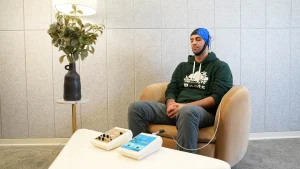
- QEEG Brain Map to assess neurological activity
- Neurofeedback to train the brain to self-regulate
- Biofeedback to gain control over heart rate, breath, and tension
- Photobiomodulation (PBM) to support mood and energy
Conclusion: Your Home as Your Healing Hub
Mental health support doesn’t just happen in clinics or through therapy. Your home is a daily influencer of your mood, energy, and mindset. With a few intentional changes, in design, routine, and communication, you can create an environment that not only shelters your body, but restores your mind.
At Elumind Centres, we believe mental wellness is a lifestyle, not just a treatment. If you or a loved one is struggling with stress, emotional regulation, or focus issues, we offer therapeutic assessments and customized brain-based programs to support long-term well-being.
Your space matters. Your peace is worth designing for.




 Phone: (604) 220-8866 |
  Monday—Friday: 9:00 AM-7:30 PM