

When we think about improving our physical health, we often focus on exercise, nutrition, maintaining a healthy weight, and preventing disease. However, one of the most important factors influencing our overall well-being is frequently overlooked: brain health.
The brain is responsible for much more than memory, concentration, and emotions. It coordinates essential bodily functions, regulates our responses to stress, influences sleep, and helps control movement, appetite, and many other physiological processes. When the brain functions well, it supports the body’s ability to maintain balance and respond effectively to everyday challenges.
The relationship also works in reverse. Poor physical health can affect brain function, while chronic stress, depression, and sleep disturbances can contribute to physical health problems.
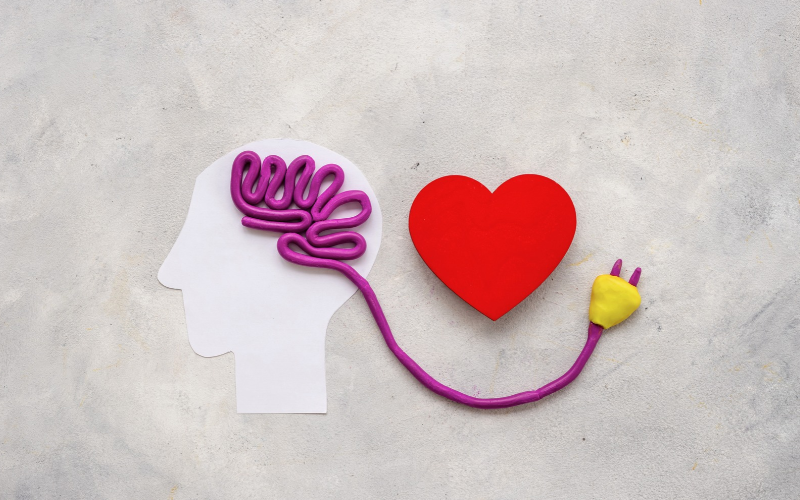
Understanding this connection encourages us to approach health differently. Instead of treating mental and physical well-being as separate priorities, we can recognize that supporting brain health is an important part of maintaining a healthier body.
The Brain: The Body’s Central Communication System
The brain serves as the central control system for many of the body’s activities. Through an extensive network of nerves, it continuously receives information from different organs and tissues, processes that information, and coordinates appropriate responses.
The brain communicates with the body through the nervous system, while also interacting with the endocrine system, which regulates hormones, and the immune system, which helps protect against illness.
For example, the hypothalamus, a small but essential region of the brain, helps regulate body temperature, hunger, thirst, sleep, and hormonal activity. The brainstem supports vital functions such as breathing, heart rate, and blood pressure regulation. These systems operate continuously, often without conscious awareness.
Brain health therefore involves more than the ability to think clearly. It also includes maintaining the neurological processes that support physical stability, movement, coordination, and adaptation to changing conditions.
Although a healthy brain cannot prevent every physical illness, supporting neurological function contributes to the body’s overall ability to function effectively.
How Brain Health Influences the Body’s Stress Response
One of the clearest examples of the brain-body connection is the way we respond to stress. When the brain perceives a threat or challenging situation, it activates physiological systems designed to help us respond. The sympathetic nervous system increases alertness, while the hypothalamic-pituitary-adrenal (HPA) axis helps coordinate the release of stress hormones, including cortisol.
In the short term, this response is useful. It increases available energy, sharpens attention, and prepares the body to take action. However, when stress becomes chronic, these physiological responses can place additional demands on the body.
Prolonged stress is associated with sleep disturbances, muscle tension, digestive difficulties, changes in immune function, and increased cardiovascular risk. It can also contribute to anxiety, depression, and difficulty concentrating. Supporting brain health through effective stress management can help reduce this burden.
Practices such as mindfulness, regular physical activity, relaxation exercises, and psychological therapy can improve how individuals respond to stressful situations.
The goal is not to eliminate stress completely. Stress is a normal part of life. Instead, developing healthier responses helps prevent everyday challenges from becoming a persistent source of physical and emotional strain.

The Connection Between Brain Health and Heart Health
The brain and cardiovascular system depend on one another. The brain requires a continuous supply of oxygen and nutrients delivered through the bloodstream. At the same time, neural pathways help regulate heart rate, blood pressure, and other cardiovascular functions.
This relationship explains why conditions affecting blood vessels can influence both brain health and physical well-being. High blood pressure, diabetes, smoking, and elevated cholesterol are important risk factors for cardiovascular disease. They can also increase the risk of stroke and certain forms of cognitive decline.
Similarly, chronic psychological stress can influence cardiovascular health through changes in autonomic nervous system activity, blood pressure, sleep, and health-related behaviours.
Maintaining a healthy cardiovascular system is therefore one of the most effective ways to protect the brain. Regular exercise, balanced nutrition, adequate sleep, and appropriate management of blood pressure and other medical risk factors support both organs.
Rather than viewing heart health and brain health as separate goals, it is more useful to recognize that many of the same preventive habits benefit both.
Brain Health, Sleep, and Physical Recovery
Sleep is another essential connection between brain function and physical health. During sleep, the brain coordinates processes involved in memory consolidation, emotional regulation, and maintaining healthy neurological function.
Meanwhile, the body carries out important activities related to tissue repair, immune regulation, hormonal balance, and metabolic health. When sleep is consistently disrupted, both mental and physical functioning can suffer.
Insufficient sleep may contribute to fatigue, irritability, reduced concentration, impaired glucose regulation, and increased susceptibility to certain health problems. Poor sleep can also affect appetite-related hormones and influence eating behaviours, making it more difficult to maintain healthy routines.
The relationship between brain health and sleep is bidirectional. Conditions such as anxiety, depression, and chronic stress may interfere with sleep, while sleep deprivation can worsen emotional symptoms.
Maintaining a consistent sleep schedule, creating a comfortable sleeping environment, and addressing persistent sleep difficulties are important steps toward supporting both brain and body health.
For individuals experiencing chronic insomnia, evidence-based treatments such as cognitive behavioural therapy for insomnia (CBT-I) can help improve sleep without relying solely on medication.
How the Brain Influences Digestion and Gut Health
The digestive system and brain communicate continuously through what researchers call the gut-brain axis. This communication involves the nervous system, hormones, immune pathways, and the microorganisms living in the digestive tract.
The vagus nerve is one important communication pathway connecting the brain with several internal organs, including parts of the digestive system. This connection helps explain why emotional stress can affect digestion.
Someone experiencing anxiety before an important presentation may develop stomach discomfort, nausea, or changes in bowel habits. These physical reactions demonstrate how closely psychological experiences and digestive function are connected.
Chronic stress may also worsen symptoms in some gastrointestinal conditions, including irritable bowel syndrome. The relationship works in both directions. Digestive discomfort can influence mood and stress levels, while the gut microbiome is being investigated for its possible role in brain function and emotional well-being.
However, the science is still developing, and no single dietary intervention or microbiome treatment has been proven to resolve most mental health conditions. Supporting gut and brain health through balanced nutrition, regular meals, adequate sleep, and stress management provides a practical foundation for overall well-being.
The Brain’s Role in Pain Perception
Pain is another area where brain health and physical health intersect. Although pain may begin with signals from injured or irritated tissues, the brain plays a central role in processing those signals and producing the experience of pain.
Pain perception is influenced by multiple factors, including previous experiences, attention, emotions, sleep quality, and the nervous system’s sensitivity. This helps explain why two people with similar physical injuries may experience different levels of discomfort.
Chronic stress, anxiety, and depression can sometimes increase pain sensitivity or make persistent pain more difficult to manage. Likewise, living with chronic pain can contribute to emotional distress, sleep problems, and reduced quality of life.
Effective pain management may therefore involve both physical and psychological approaches. Depending on the condition, treatment can include medical care, physiotherapy, exercise, psychological therapies, and strategies for improving sleep and stress management.
Recognizing the brain’s role in pain does not mean that pain is imaginary. Pain is a real experience, even when emotional and neurological factors influence its intensity. A comprehensive approach acknowledges both the physical and neurological components of pain.
Brain Health, Movement, and Physical Performance
Every physical movement depends on communication between the brain, spinal cord, nerves, and muscles. Whether we are walking, maintaining balance, playing sports, or performing everyday tasks, the brain coordinates movement and adjusts our actions based on sensory information. Healthy neurological function supports coordination, reaction time, balance, and motor learning.
These abilities become particularly important as we age. Changes in neurological function can affect mobility and increase the risk of falls, while certain neurological conditions can interfere with movement and independence.
Physical activity is one of the most effective ways to support this relationship. Exercise improves cardiovascular health, supports muscle strength, and encourages processes associated with brain plasticity, the brain’s ability to adapt and reorganize in response to experience.
Activities requiring coordination, such as dancing, swimming, or learning a new sport, also challenge the brain while benefiting the body. Maintaining movement throughout life supports physical independence and may contribute to healthier cognitive aging.
How Emotional Well-Being Affects the Immune System
The brain and immune system communicate through complex biological pathways. During periods of stress, the brain influences hormonal and nervous system activity that can alter immune responses.
Short-term stress may produce temporary changes that help the body respond to immediate challenges. However, persistent stress can disrupt normal immune regulation and contribute to changes in inflammatory activity.
Depression and chronic stress have also been associated with certain inflammatory markers, although these relationships are complex and do not mean that inflammation causes every mental health condition.
Emotional well-being can influence immune health indirectly through behaviours as well. Individuals experiencing depression or significant anxiety may struggle to maintain regular sleep, physical activity, nutritious meals, or recommended medical care. Supporting mental health can make it easier to maintain these protective habits.
However, improving brain health should not be described as a way to guarantee stronger immunity or prevent infections. Immune function depends on numerous biological, environmental, and medical factors.

Why Brain Health Becomes More Important as We Age
As people grow older, protecting brain health becomes increasingly important for maintaining physical independence and quality of life. Cognitive functions such as attention, memory, planning, and decision-making influence everyday activities, including medication management, nutrition, financial decisions, and personal safety.
Changes in cognitive function can make these responsibilities more challenging. At the same time, reduced mobility, cardiovascular disease, hearing loss, and social isolation can affect cognitive health. Fortunately, many habits that support healthy aging benefit both the brain and body.
Regular physical activity, meaningful social interaction, cognitive stimulation, balanced nutrition, adequate sleep, and management of cardiovascular risk factors can contribute to healthier aging. Learning new skills, maintaining friendships, and participating in mentally engaging activities may also support cognitive well-being.
Although no lifestyle strategy can guarantee prevention of dementia or other neurological conditions, addressing modifiable risk factors can help reduce certain risks and support overall functioning.
Supporting Brain and Body Health at Elumind
At Elumind Centres for Brain Excellence, we recognize that brain function, emotional well-being, and physical health are closely connected. Our approach considers the individual’s symptoms, lifestyle, medical history, and personal goals when exploring appropriate assessment and care options.
Depending on clinical needs, services may include QEEG Brain Map, Neurofeedback, Biofeedback, Photobiomodulation (PBM), counselling, and other personalized interventions.
QEEG Brain Map measures patterns of electrical activity recorded from the scalp. It may provide supplementary information for certain neurofeedback programs, although it cannot independently diagnose mental health conditions or determine the causes of physical symptoms.
Neurofeedback uses real-time information about brain activity to help individuals practice regulating selected EEG patterns. Research into its applications for attention, sleep, and emotional regulation is ongoing, and evidence varies by condition.
Biofeedback helps individuals recognize physiological responses such as breathing patterns, muscle tension, or heart rate changes. It can support the development of stress-management and relaxation skills, which may be relevant to certain physical symptoms.
Photobiomodulation (PBM) is an emerging technology being investigated for its potential effects on cellular processes and brain function. Its clinical benefits for many mental health and neurological conditions remain uncertain.
These services are not substitutes for appropriate medical treatment, physical healthcare, or established psychological therapies. Their potential role should be considered within an individualized plan based on clinical evaluation and available evidence.
By recognizing the relationship between brain function and physical well-being, individuals can take a more informed approach to their overall health.

Conclusion: A Healthy Brain Supports a Healthier Body
Brain health is not limited to memory, concentration, or emotional well-being. It is closely connected to many of the body’s essential functions, including sleep, digestion, cardiovascular regulation, movement, and responses to stress.
When we support brain health, we also create opportunities to improve habits and physiological processes that contribute to physical well-being.
The relationship is not one-directional. Physical activity, nutritious food, adequate sleep, supportive relationships, and preventive medical care also help protect the brain. This is why a comprehensive approach to health matters. Rather than focusing exclusively on the body or mind, long-term well-being requires attention to both.
Taking care of your brain is an important part of taking care of your entire body.
At Elumind Centres for Brain Excellence, we help individuals explore their brain health through personalized assessments, professional guidance, and appropriate care options. To learn more about our services or request a free 15-minute phone consultation, visit elumind.com.





 Phone:
 Monday—Friday: 9:00 AM-7:30 PM