




 A therapeutic assessment is a consultation with a clinicians aimed at evaluating all your health concerns. Based on this evaluation, a diagnosis will be determined.
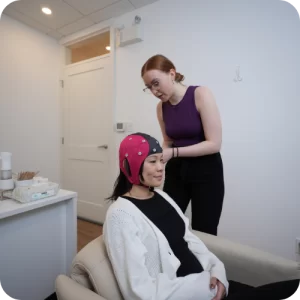 The QEEG brain map is a comprehensive assessment that meticulously examines specific areas of your brain, analyzing frequencies and networks interactions.
 Neurofeedback is a therapeutic approach focusing on real-time brainwave monitoring and feedback and holds promise in improving chronic pain. By targeting specific brainwave patterns based on assessment and QEEG, neurofeedback helps regulate and optimize neural activity.
 Biofeedback for pain helps individuals gain control over physiological functions like heart rate and brain activity using real-time feedback. This improves focus, impulse control, and self-regulation through guided training.
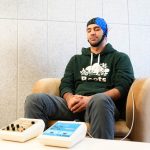 Transcranial direct current stimulation (tDCS) is a non-invasive, low-intensity neuromodulation technique that applies a weak, constant electrical current to the brain via scalp electrodes.
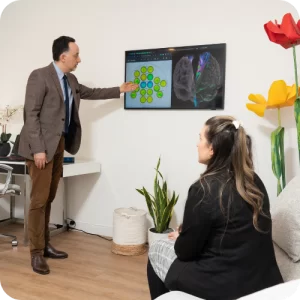 In a collaborative session, we consider two review sessions during your treatment journey to keep you informed about your progress.


 Phone: (604) 220-8866 |
  Monday—Friday: 9:00 AM-7:30 PM