

When people think about mental health, they often focus on therapy, medication, or stress management techniques. While these approaches are important, one essential factor is often overlooked: nutrition. The food we eat not only fuels our bodies but also profoundly affects how our brains function, how we regulate emotions, and how resilient we are to stress.
Over the past two decades, a growing field known as nutritional psychiatry has revealed the strong relationship between diet and mental well-being. Researchers now understand that nutrients influence brain chemistry, inflammation levels, hormone balance, and even the health of the gut microbiome, all of which play a significant role in mood, cognition, and emotional stability.
In this article, we will explore how nutrition influences mental health, why certain dietary patterns support psychological well-being, and how small changes in daily eating habits can have meaningful effects on mood, focus, and resilience.
The brain is a nutrient-hungry organ.
Although the brain represents only about 2% of the body’s weight, it consumes nearly 20% of the body’s total energy. This means that the brain depends heavily on a steady supply of nutrients to function properly.
Every thought, memory, and emotion relies on chemical signaling between brain cells. These signals are made possible through neurotransmitters such as serotonin, dopamine, and GABA. The production and regulation of these chemicals depend on nutrients derived from food.
For example:
- Amino acids from proteins help produce neurotransmitters.
- Healthy fats support the structure of brain cell membranes.
- Vitamins and minerals act as cofactors in chemical reactions that regulate mood and cognition.
When the brain lacks essential nutrients, these systems begin to malfunction. Over time, deficiencies or imbalanced diets can contribute to fatigue, irritability, anxiety, or depression.
The Gut-Brain Connection
One of the most fascinating discoveries in recent years is the gut-brain axis, the complex communication network between the digestive system and the brain.
The human gut contains trillions of microorganisms collectively known as the gut microbiome. These bacteria play an essential role in digestion, immunity, and mental health.
In fact, approximately 90–95% of the body’s serotonin, a neurotransmitter strongly associated with mood regulation, is produced in the gut.
A healthy microbiome supports mental well-being by:
- Producing neurotransmitters and mood-regulating chemicals
- Reducing inflammation in the body and brain
- Strengthening the immune system
- Communicating with the brain through the vagus nerve
When gut bacteria become imbalanced, often due to poor diet, chronic stress, or antibiotics, this communication system can become disrupted. This disruption has been linked to increased risk of anxiety, depression, and cognitive difficulties.
This means that supporting gut health is also supporting mental health.
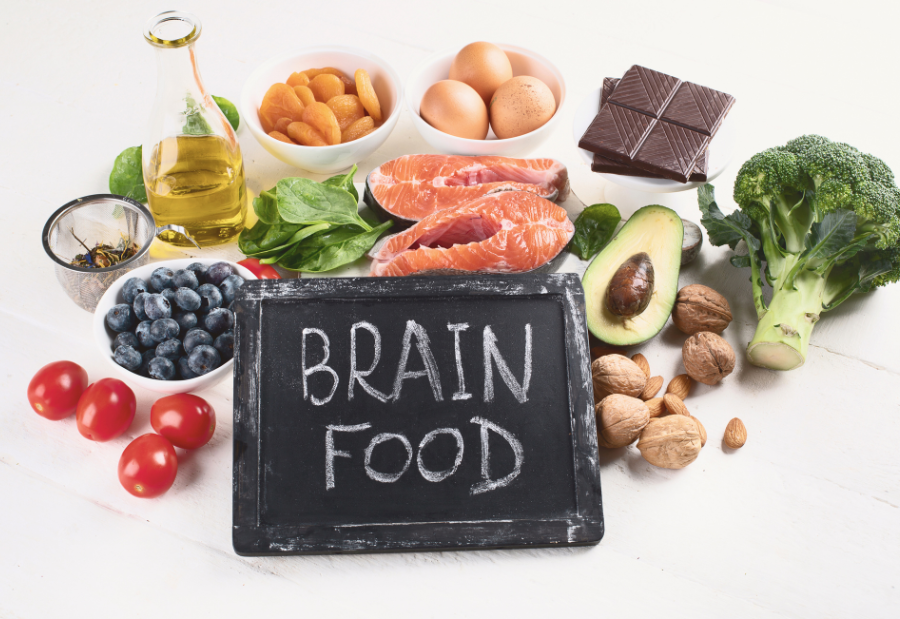
How poor nutrition affects mental health?
Just as nourishing foods support brain health, poor dietary habits can have the opposite effect. Diets high in processed foods, sugar, and unhealthy fats have been associated with increased rates of mental health challenges.
Several mechanisms explain this relationship.
First, diets high in refined sugar cause rapid spikes and crashes in blood glucose levels. These fluctuations can lead to irritability, fatigue, and difficulty concentrating.
Second, heavily processed foods tend to lack essential nutrients the brain needs to produce neurotransmitters and maintain cognitive performance.
Third, unhealthy diets increase chronic inflammation in the body. Research has linked systemic inflammation with depression, anxiety, and neurodegenerative disorders.
Finally, poor nutrition negatively affects the gut microbiome, disrupting the delicate balance of beneficial bacteria that support mood and emotional regulation.
In short, when nutrition is compromised, the brain struggles to maintain the stability needed for emotional balance.
Key nutrients that support mental health
While overall dietary patterns matter most, certain nutrients play particularly important roles in supporting brain function and mental well-being.
Omega-3 Fatty Acids
Omega-3 fatty acids are essential fats found in foods such as fatty fish, walnuts, and flaxseeds. These fats are critical for maintaining the structure and function of brain cells.
Research has shown that omega-3s may help reduce symptoms of depression and support cognitive health. They also have anti-inflammatory properties that protect the brain from stress-related damage.
B Vitamins
B vitamins, especially B6, B9 (folate), and B12, play a major role in the production of neurotransmitters.
Low levels of these vitamins have been associated with depression, fatigue, and cognitive difficulties. Foods rich in B vitamins include leafy greens, whole grains, legumes, eggs, and fish.
Magnesium
Magnesium is often called the “relaxation mineral” because it helps regulate the nervous system and supports stress management.
Low-level deficiency has been linked to anxiety, irritability, and sleep problems. Good dietary sources include nuts, seeds, dark chocolate, spinach, and legumes.
Vitamin D
Vitamin D is essential for brain development and mood regulation. Low levels of vitamin D have been associated with depression and seasonal mood disorders.
Sunlight exposure is a primary source of vitamin D, but it can also be found in fatty fish, fortified foods, and supplements when necessary.
Amino Acids
Proteins provide amino acids, which serve as the building blocks for neurotransmitters such as serotonin and dopamine. Without sufficient protein intake, the brain may struggle to maintain balanced mood and motivation.
Foods rich in protein include fish, poultry, eggs, beans, tofu, and dairy products.

Dietary patterns that support mental health
Rather than focusing on individual nutrients alone, researchers emphasize the importance of overall dietary patterns.
One of the most studied diets for mental health is the Mediterranean diet. This dietary pattern emphasizes:
- Vegetables and fruits
- Whole grains
- Legumes and nuts
- Olive oil and healthy fats
- Fish and moderate amounts of dairy
- Limited processed foods and refined sugar
Studies have shown that individuals who follow Mediterranean-style diets tend to experience lower rates of depression and improved cognitive performance.
This type of diet supports brain health because it provides balanced nutrients, healthy fats, antioxidants, and fiber that nourish both the brain and the gut microbiome.
The role of blood sugar stability
Another important factor connecting nutrition and mental health is blood sugar regulation.
When meals consist primarily of refined carbohydrates or sugary foods, blood glucose levels rise quickly and then drop rapidly. These fluctuations can trigger symptoms such as:
- Irritability
- Fatigue
- Brain fog
- Anxiety-like sensations
Balanced meals that include protein, healthy fats, and complex carbohydrates help maintain stable blood sugar levels, which supports consistent energy and mood throughout the day.
For example, pairing whole grains with protein and healthy fats can slow digestion and prevent energy crashes.
Hydration and mental function
While often overlooked, hydration also plays a role in mental health.
Even mild dehydration can impair concentration, memory, and mood. Studies have shown that insufficient water intake can increase fatigue and reduce cognitive performance.
Maintaining adequate hydration helps support circulation, nutrient delivery to the brain, and overall neurological function.
Emotional eating and mental health
The relationship between food and mental health is not only biological but also psychological. Many people use food as a coping mechanism during times of stress, sadness, or boredom.
While occasional comfort eating is normal, chronic emotional eating can lead to unhealthy habits and further disrupt mood regulation.
Developing mindful eating practices can help individuals become more aware of emotional triggers and cultivate healthier relationships with food.
Mindfulness techniques, journaling, and professional support can be helpful in identifying emotional patterns around eating.
Nutrition as part of a holistic mental health approach
Although nutrition plays a significant role in mental health, it is most effective when combined with other supportive strategies.
Mental well-being often requires a multidimensional approach that may include:
- Therapy or counseling
- Physical activity
- Sleep optimization
- Stress management techniques
- Brain-based interventions such as neurofeedback or biofeedback
Nutrition supports the biological foundation of the brain, making it easier for these other strategies to work effectively.
When the brain receives the nutrients it needs, emotional regulation, cognitive clarity, and resilience improve.
Practical steps to improve nutrition for mental health
Improving diet does not require drastic changes overnight. Small, consistent steps can create meaningful improvements over time.
Start by focusing on whole, minimally processed foods. Increasing vegetable intake, choosing whole grains instead of refined carbohydrates, and including healthy fats in meals can make a significant difference.
Regular meal timing also helps stabilize blood sugar and energy levels. Skipping meals or relying on highly processed snacks often contributes to mood instability.
Cooking at home more frequently allows greater control over ingredients and helps develop a healthier relationship with food.
Finally, paying attention to how different foods affect mood and energy can provide valuable insight into personal nutritional needs.
The future of nutritional psychiatry
The growing field of nutritional psychiatry continues to reveal how strongly diet influences mental health.
Researchers are exploring how personalized nutrition plans, microbiome analysis, and targeted nutrient interventions can support individuals struggling with depression, anxiety, and cognitive decline.
While nutrition alone may not replace therapy or medication for severe mental health conditions, it is increasingly recognized as a foundational pillar of mental well-being.
Supporting brain health through nutrition empowers individuals to participate actively in their mental health journey.
Conclusion: Food as fuel for the mind!
The connection between nutrition and mental health is undeniable. What we eat shapes the brain’s chemistry, influences emotional balance, and affects our ability to manage stress.
By prioritizing whole foods, balanced meals, and nutrient-rich diets, individuals can support their brain’s natural capacity for resilience, clarity, and emotional stability.
Mental health is not determined by a single factor, but nutrition is one of the most powerful daily choices we make. Every meal is an opportunity to nourish not only the body but also the mind.
When we begin to see food not just as calories but as information for the brain, we unlock a powerful tool for improving mental well-being and quality of life.





 Phone: (604) 220-8866 |
  Monday—Friday: 9:00 AM-7:30 PM