Transcranial Direct Current Stimulation (tDCS)
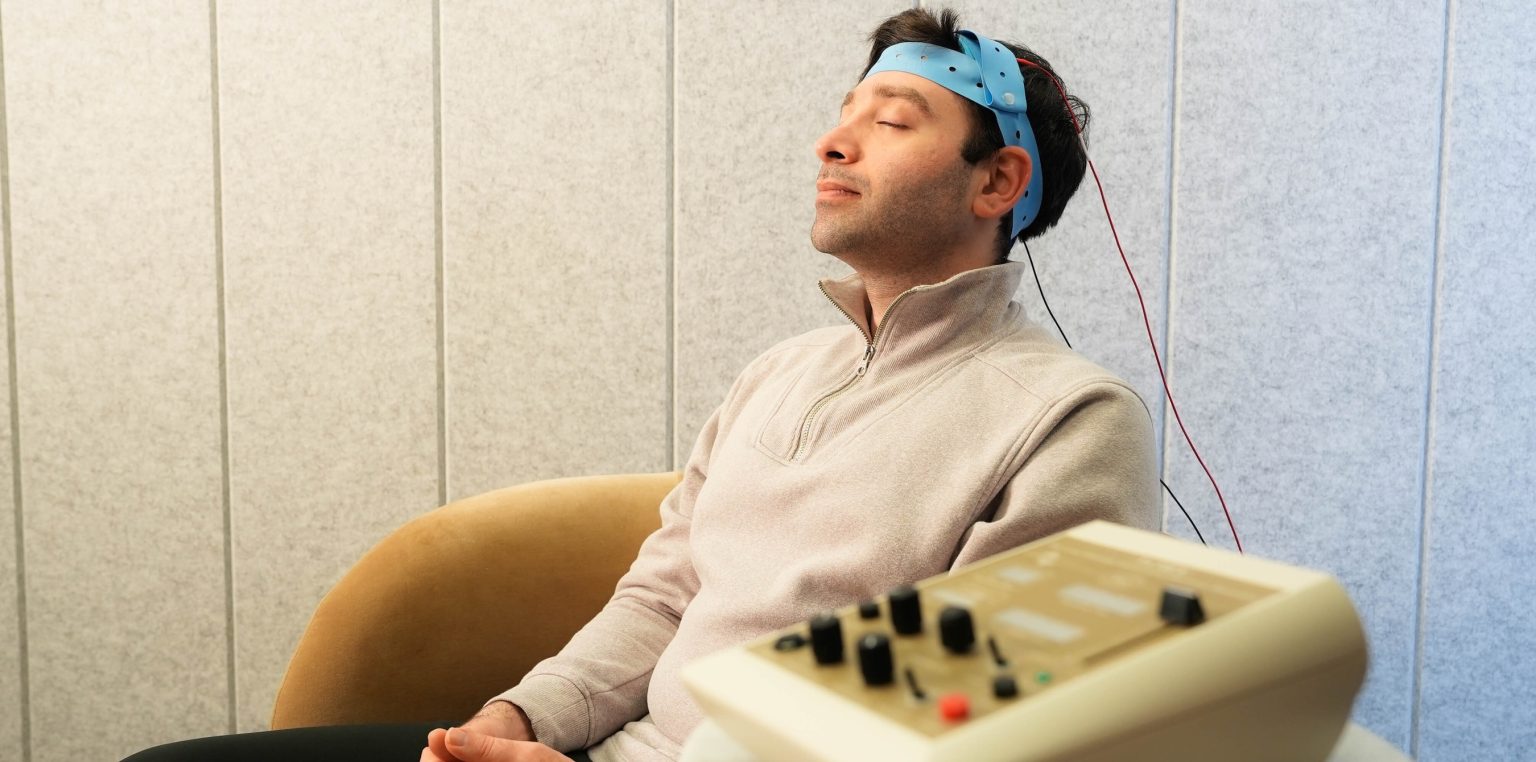
What is tDCS?
Transcranial Direct Current Stimulation (tDCS) is a non-invasive, gentle brain stimulation technique that helps support healthier brain activity.
tDCS works by delivering a very low-level electrical current through small electrodes placed on the scalp. This gentle stimulation does not control or override your brain. Instead, it helps certain brain areas become more flexible and responsive, making it easier for your brain to shift out of stuck patterns and learn healthier ones.
What Conditions Can tDCS Help With?
tDCS has been widely studied and clinically used as a supportive tool for conditions related to mood, regulation, pain processing, and brain network imbalance, including:
- Depression
- Chronic pain and pain sensitization
- Fibromyalgia
- Migraine and recurrent headaches
- Tension-type and stress-related headaches
- Brain fog and cognitive fatigue
- Attention and focus difficulties
- Emotional regulation challenges
- Cravings and impulse control difficulties
- Game addiction
- Alcohol and substance addiction
Start your mental health journey!
X
What to Expect From tDCS
- tDCS is a supportive therapy designed to help the brain move out of stuck patterns and into more balanced, flexible states. When delivered as part of a structured program, many clients experience meaningful improvements over the course of treatment.
- Progress typically builds across sessions as the brain adapts and learns healthier patterns. Each session contributes to this process, and your response is carefully monitored and adjusted along the way.
What Does a tDCS Session Look Like?
A typical session is simple, calm, and comfortable:
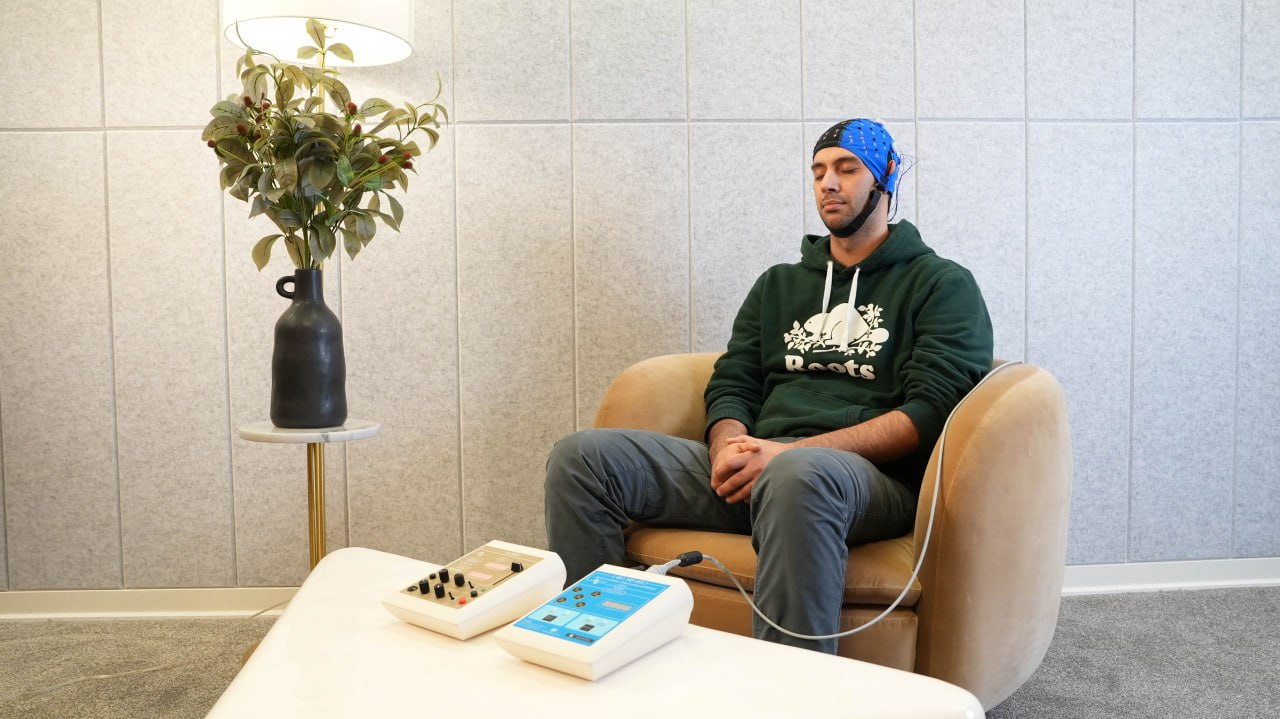
- You sit comfortably in a quiet room;
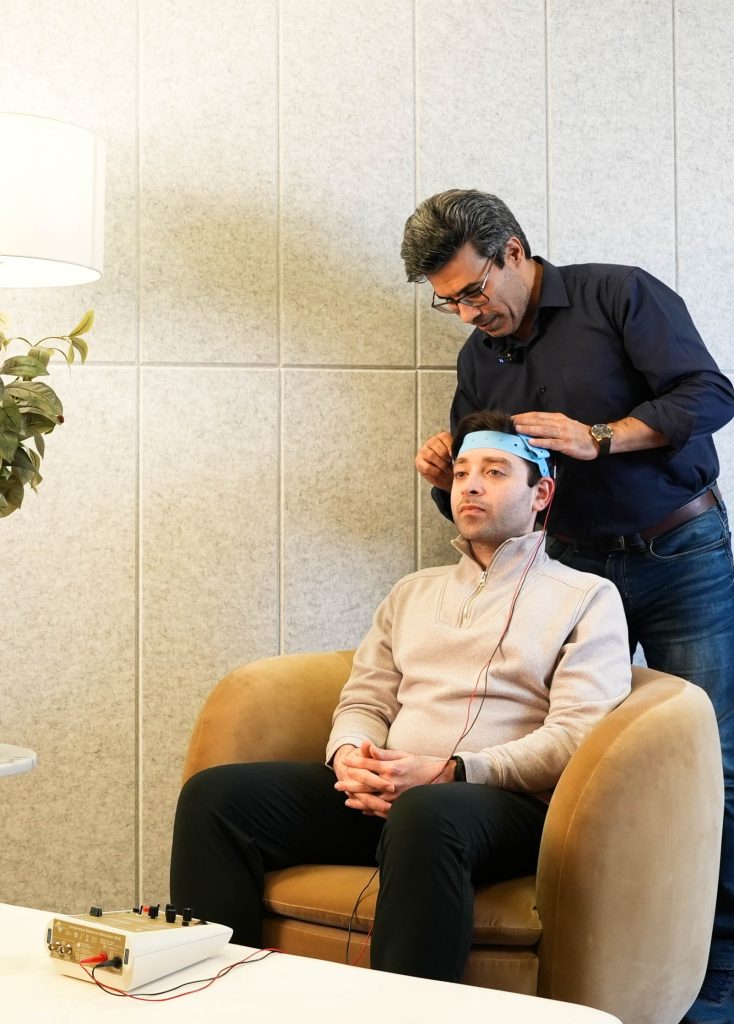
- Small sponge electrodes are placed on specific areas of your scalp;
- A very low current is applied for about 20 minutes;
- You may relax, breathe, or engage in a gentle activity;
- The session ends and electrodes are removed.
What does it feel like?
Most people feel:
- mild tingling
- warmth
- light pressure
These sensations usually fade within a few minutes. tDCS should never feel painful. After the session, you can return to normal daily activities.
Personalized tDCS: Designed for Your Brain
No two brains are the same. That’s why our tDCS program is personalized, not generic.
Brain-Map-Guided tDCS
Before starting, we often use a QEEG brain map to understand:
- how your brain is functioning
- which networks are overactive or underactive
- how this relates to your symptoms
Your tDCS plan is then customized based on:
- your brain patterns
- your symptoms and goals
- your nervous system sensitivity
- your response over time
This allows us to determine:
- where electrodes are placed
- which brain areas are supported
- how often sessions are done
- how the plan evolves
Your protocol is adjusted as your brain changes.
A Safe, Supportive, and Monitored Process
tDCS sessions are:
- guided by trained technicians
- carefully monitored
- adjusted based on how you feel
Our goal is not just symptom relief, but helping your brain develop long-term regulation and resilience.
You Are Not “Broken”, Your Brain is Adaptable
tDCS is not about fixing something that’s wrong with you. It’s about helping your brain learn new, healthier patterns, at a pace that feels safe and supportive. If you’re curious whether tDCS is right for you, we begin with an assessment and conversation, so we can guide you with clarity and care.

 Phone: (604) 220-8866 |
  Monday—Friday: 9:00 AM-7:30 PM