

Children today are growing up in a world that moves fast, demands a lot, and often feels unpredictable. While adults may assume that childhood is a carefree stage of life, many children experience significant levels of stress and anxiety. Academic pressure, social challenges, family dynamics, digital exposure, and even global events can affect how children think, feel, and behave.
The challenge is that children often lack the language, awareness, and coping skills to express what they are experiencing internally. Instead of saying, “I feel anxious,” a child may become irritable, withdrawn, or overly active. Without proper support, these early signs can develop into more persistent mental health challenges.
Helping children cope with stress and anxiety is not about eliminating all discomfort. It is about equipping them with the tools to understand their emotions, regulate their responses, and build resilience over time.
Understanding Stress and Anxiety in Children
Stress and anxiety are natural responses to challenges. In small amounts, they can help children stay alert, motivated, and prepared. However, when these responses become frequent, intense, or overwhelming, they begin to interfere with a child’s daily functioning.
Stress in children is often linked to specific situations, such as exams, changes in routine, or conflicts with peers. Anxiety, on the other hand, tends to be more persistent and can occur even without a clear trigger. It often involves excessive worry about future events or perceived threats.
Children may not always understand the difference between these experiences. What they feel is simply discomfort, something that makes them uneasy, restless, or upset. This is why observation and guidance from adults are so important.
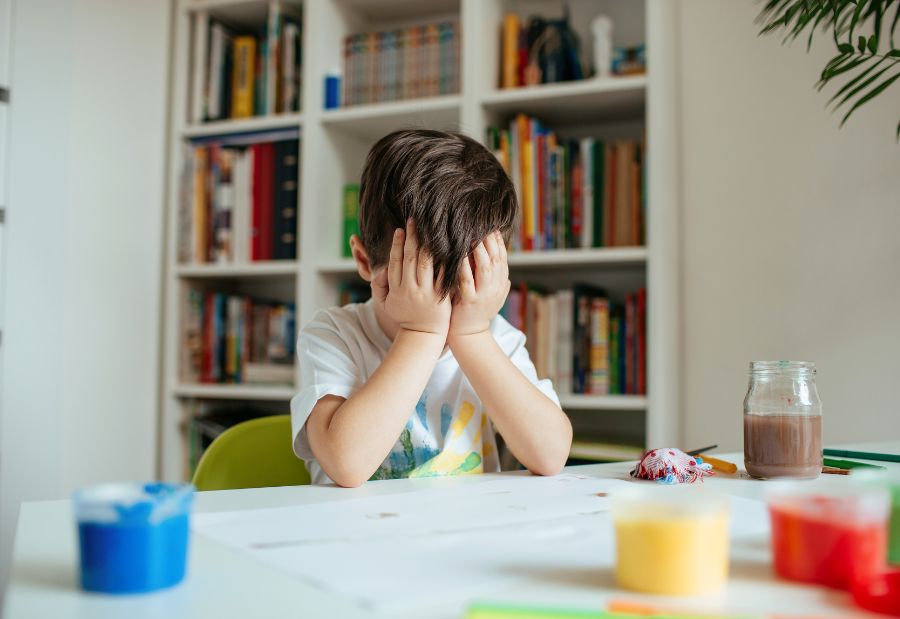
Common Causes of Stress and Anxiety in Kids
Children’s stressors may look different from those of adults, but they can feel just as intense. Academic pressure is one of the most common contributors. Expectations to perform well, complete assignments, and meet deadlines can create significant stress, especially for children who are perfectionistic or struggle with focus.
Social challenges also play a major role. Friendships, peer acceptance, and fear of rejection can create emotional strain. Bullying or feeling left out can significantly impact a child’s sense of safety and self-worth. Family dynamics are another important factor. Changes such as divorce, relocation, financial stress, or even busy household schedules can affect a child’s emotional stability.
In today’s digital world, constant exposure to screens and social media can also contribute to anxiety. Children may compare themselves to others, feel pressure to fit in, or become overstimulated by continuous information.
Signs That a Child Is Struggling
Children rarely express stress and anxiety directly. Instead, it often appears through changes in behavior, mood, or physical health. A child who is struggling may become more irritable, clingy, or withdrawn. They might avoid school, activities, or social situations they previously enjoyed. Some children become overly perfectionistic, while others lose motivation altogether.
Physical symptoms are also common. Complaints of stomachaches, headaches, fatigue, or difficulty sleeping can often be linked to emotional distress rather than medical issues. Changes in attention and behavior may also occur. A child who is anxious may have difficulty concentrating, become restless, or appear distracted. In some cases, anxiety can be mistaken for behavioral problems or attention disorders.
Recognizing these signs early allows adults to intervene before stress becomes overwhelming.
Why Emotional Support Matters
Children develop emotional regulation skills through relationships. They learn how to respond to stress by observing and interacting with the adults around them. When children feel safe, understood, and supported, their nervous system becomes more stable. This allows them to process emotions more effectively and develop confidence in their ability to handle challenges.
On the other hand, when children feel dismissed, misunderstood, or pressured, stress can intensify. They may begin to suppress emotions or develop maladaptive coping mechanisms. Emotional support is not about solving every problem for a child. It is about creating an environment where they feel comfortable expressing themselves and learning how to cope.

Teaching Children to Understand Their Emotions
One of the most important skills a child can develop is emotional awareness. Many children experience strong emotions but do not have the vocabulary to describe them. Parents and caregivers can help by naming emotions in everyday situations. For example, saying, “It looks like you’re feeling frustrated” helps children connect their internal experience with language.
Over time, this practice builds emotional literacy. Children begin to recognize patterns, understand triggers, and communicate more effectively. This awareness is the foundation for emotional regulation. A child cannot manage what they do not understand.
Helping Kids Develop Healthy Coping Strategies
Coping strategies should be practical, age-appropriate, and consistently reinforced. One of the most effective approaches is teaching children how to pause and breathe. Simple breathing exercises can calm the nervous system and reduce the intensity of anxiety. Even a few slow breaths can make a noticeable difference.
Physical movement is another powerful tool. Activities such as playing outside, sports, or even short walks help release built-up tension and improve mood. Creative expression can also support emotional processing. Drawing, writing, or storytelling allows children to express feelings in ways that words alone may not capture.
Routine plays an important role as well. Consistent daily schedules provide a sense of predictability and security, which reduces anxiety.
Importantly, coping strategies should be practiced regularly, not only during stressful moments. This helps children become more comfortable using them when needed.
The Role of Communication
Open and supportive communication is essential in helping children cope with stress. Children need to feel that they can talk without being judged or dismissed. This means listening actively, without immediately offering solutions or minimizing their feelings.
Instead of saying, “It’s not a big deal,” it is more helpful to say, “I can see why that would feel difficult.” This approach validates the child’s experience while creating space for discussion and problem-solving.
As children grow, encouraging them to express their thoughts and concerns helps build confidence and emotional resilience.
Reducing Environmental Stress
Sometimes the most effective way to support a child is to adjust their environment. Reducing unnecessary pressure, such as unrealistic academic expectations or overscheduling, can significantly lower stress levels.
Limiting screen time and encouraging real-world interactions can also improve emotional well-being. Too much digital exposure can overstimulate the brain and increase anxiety. Creating a calm and organized home environment helps children feel more secure. Simple changes, such as having quiet time, structured routines, and predictable expectations, can make a meaningful difference.

Supporting Sleep and Physical Health
Sleep is one of the most important factors in a child’s ability to cope with stress. Lack of sleep affects mood, attention, and emotional regulation. Children who are sleep-deprived are more likely to feel irritable, anxious, or overwhelmed.
Establishing consistent bedtime routines, reducing screen exposure before sleep, and creating a calming sleep environment can improve sleep quality. Nutrition also plays a role. Balanced meals that include protein, healthy fats, and complex carbohydrates help stabilize energy and mood.
When Additional Support Is Needed
In some cases, stress and anxiety may require professional support. If a child’s symptoms persist, worsen, or significantly interfere with daily life, it may be helpful to consult a mental health professional.
Therapies such as cognitive-behavioral therapy (CBT) can help children understand and manage anxious thoughts. In more advanced cases, brain-based approaches can provide additional support.
Tools such as QEEG Brain Map can help identify patterns of brain activity associated with anxiety or attention difficulties.
Neurofeedback can train the brain to regulate itself more effectively, improving focus and emotional stability.
Biofeedback can teach children how to control physical responses to stress, such as breathing and heart rate.
Photobiomodulation (PBM) may support brain function and emotional regulation in certain cases.
These approaches are often most effective when combined with strong family support and healthy daily routines.
The Role of Parents and Caregivers
Children learn how to handle stress by watching the adults around them. When parents model calm behavior, healthy coping strategies, and open communication, children are more likely to adopt those behaviors themselves.
It is also important for parents to manage their own stress. A calm and regulated caregiver creates a stable environment for a child. Supporting a child through stress is not about being perfect. It is about being present, consistent, and willing to learn alongside them.
Conclusion: Building Resilience for Life!
Helping children cope with stress and anxiety is one of the most valuable investments in their future. These early experiences shape how they will handle challenges, relationships, and responsibilities throughout life.
By teaching emotional awareness, providing supportive environments, and modeling healthy coping strategies, adults can help children develop resilience that lasts far beyond childhood. Stress and anxiety will always be part of life. The goal is not to eliminate them, but to ensure that children have the tools and support they need to navigate them with confidence.
When children feel understood, supported, and capable, they are not only better equipped to handle stress, they are also more likely to thrive.





 Phone: (604) 220-8866 |
  Monday—Friday: 9:00 AM-7:30 PM